Chagoi koi are the most friendly and easily tamed variety. Discover why every pond needs a 'tea-colored' koi for stability.
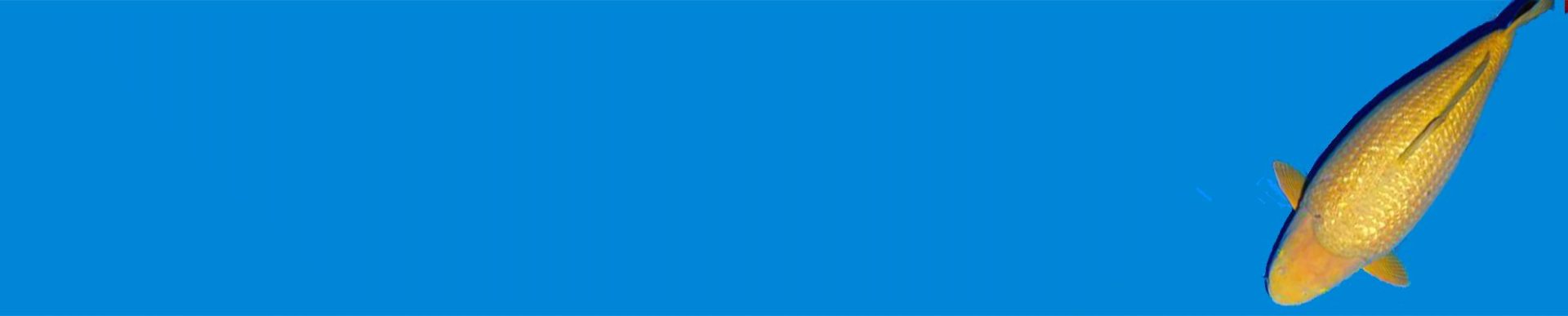
The Chagoi is perhaps the most beloved "understated" variety in the world of Nishikigoi. Its name literally translates to "tea-colored koi," which accurately describes its range of shades from pale saffron and olive to deep chocolate and copper. While it lacks the vibrant reds and blacks of the Gosanke varieties, the Chagoi more than makes up for it with its incredible growth rate and unmatched friendliness. It is widely considered among the friendliest and easiest to hand-train of all koi varieties. For many hobbyists, a Chagoi is the first fish they manage to hand-feed, and its fearless nature often encourages other, more nervous fish to approach the surface. This "leadership" quality makes the Chagoi a functional asset to any pond, helping to reduce the overall stress levels of the entire collection. Beyond its personality, the Chagoi is prized for its massive "jumbo" growth potential. Well-kept Chagoi commonly reach 30–36 inches — among the largest fish in most ponds — boasting a heavy, powerful body conformation that commands respect; one-meter-plus specimens exist but are rare, record-class fish. The beauty of a Chagoi is found in its simplicity and its "fukurin"—the skin that surrounds the scales, which often creates a stunning diamond-like pattern across its back. Historically, Chagoi are closely related to the wild carp (Magoi), which explains their robust health and vigorous appetites. They are hardy fish that can thrive in various conditions, making them excellent choices for both beginners and experienced keepers. When selecting a Chagoi, collectors look for a uniform color and a clean, symmetrical scale arrangement. Any deviation in the brown or green tones can detract from its aesthetic value. Ultimately, the Chagoi represents the soulful side of the hobby—a fish that doesn't need bright colors to be the star of the pond, relying instead on its impressive stature and its unique ability to interact with humans on a level that few other fish can match.
Keeping Chagoi koi in Southern California
Chagoi grow quickly and can pass 36 inches, and big fish are often the first affected when oxygen runs low. Strong, round-the-clock aeration matters most for large koi in a SoCal summer.
Summer is the main growing season, but every meal adds waste and uses oxygen. In very warm water, feed less rather than more.
Summer care for every koi in SoCal
- Warm water holds less oxygen, yet koi need more oxygen as the water warms. That makes summer the season when oxygen runs shortest.
- Oxygen is usually lowest around dawn, because plants and algae use it up overnight. In summer, keep air stones, waterfalls or fountains running day and night.
- When oxygen runs short, large fish are often the first affected. The bigger and faster-growing your koi, the more aeration matters.
- Published "ideal" ranges vary between sources, from about 59–77°F to 68–78°F. Most sources treat the low-to-mid 80s °F as the point where you should cut feeding, add shade and add aeration.
- At about 82°F and above, feed less than usual. Koi can lose their appetite at 86°F and above, so offer small amounts of an easily digested food and remove anything left uneaten.
- Shade part of the pond, but not all of it, from the afternoon sun. A shade sail, pergola or floating plants will do. Don't enclose the surface so tightly that air can't move over it.
- Inland SoCal is much hotter than the coast. NOAA's 1991–2020 normals give an average July–August afternoon high of about 95–97°F in Riverside, 83–85°F in Santa Ana and 75–77°F at LAX (air temperature). Inland ponds therefore need the heat measures above sooner and for longer.
Key Traits
Renowned Breeders
Expert Advice
Planning a Pond?
Our team can help you select the perfect Chagoi koi and design a filtration system tailored to your goals.
Start Consultation